Case Study
Rebuilding a software design org — from delivery resource to product partner.
I was promoted from UX Principal to Head of UX within four months, taking on a global organization of 15 designers and 2 design managers across Logitech's two flagship software platforms, Options+ and G Hub. The team had real talent — but was structured, resourced, and measured as a delivery service. This is the story of how we rebuilt value, efficiency, and vision into one connected transformation: a unified design system (Croí), an agile ways-of-working model, and a future team structure built to support an iconic brand.
The Problem
A talented team, treated as a service desk.
UX Software design was being used as a service solution focused only on low-level UI work. The efficiency and value of the design team were in question, and Hardware designers and PMs would bypass UX Software designers entirely — going straight to build.
Fractured team structure
Three teams split by business unit (Platform, G Hub, Options+) rather than device experience — creating disjointed software experiences with no shared governance or future vision.
Reactive ways of working
Design operated waterfall and reactionary, focused purely on delivery — not providing much strategic value within its squads.
Undefined value of design
Methodology and design systems were unorganized, inconsistent, and undocumented — undermining efficiency and consistency across device experiences.
The Approach
Value, then efficiency, then vision.
In my first six weeks I interviewed designers, PMs, and engineers across both platforms. One thing became clear: we needed a three-step process to build a more effective design team — get our own house in order, make the system efficient, then propose where we could go.
Train & standardize
Trained designers on delivery process and agile methodology, upskilled the team on research methods, and standardized how design feedback was given and received.
One design system, two platforms
Built a design system usable across both consumer software platforms, with consistent elements, patterns and interactions — reducing production time and duplication.
Propose the future org
Proposed a future software design team structure to support leadership's goal of building a genuinely iconic brand.
Deep Dive · Ways of Working
From waterfall hand-offs to a shared delivery language.
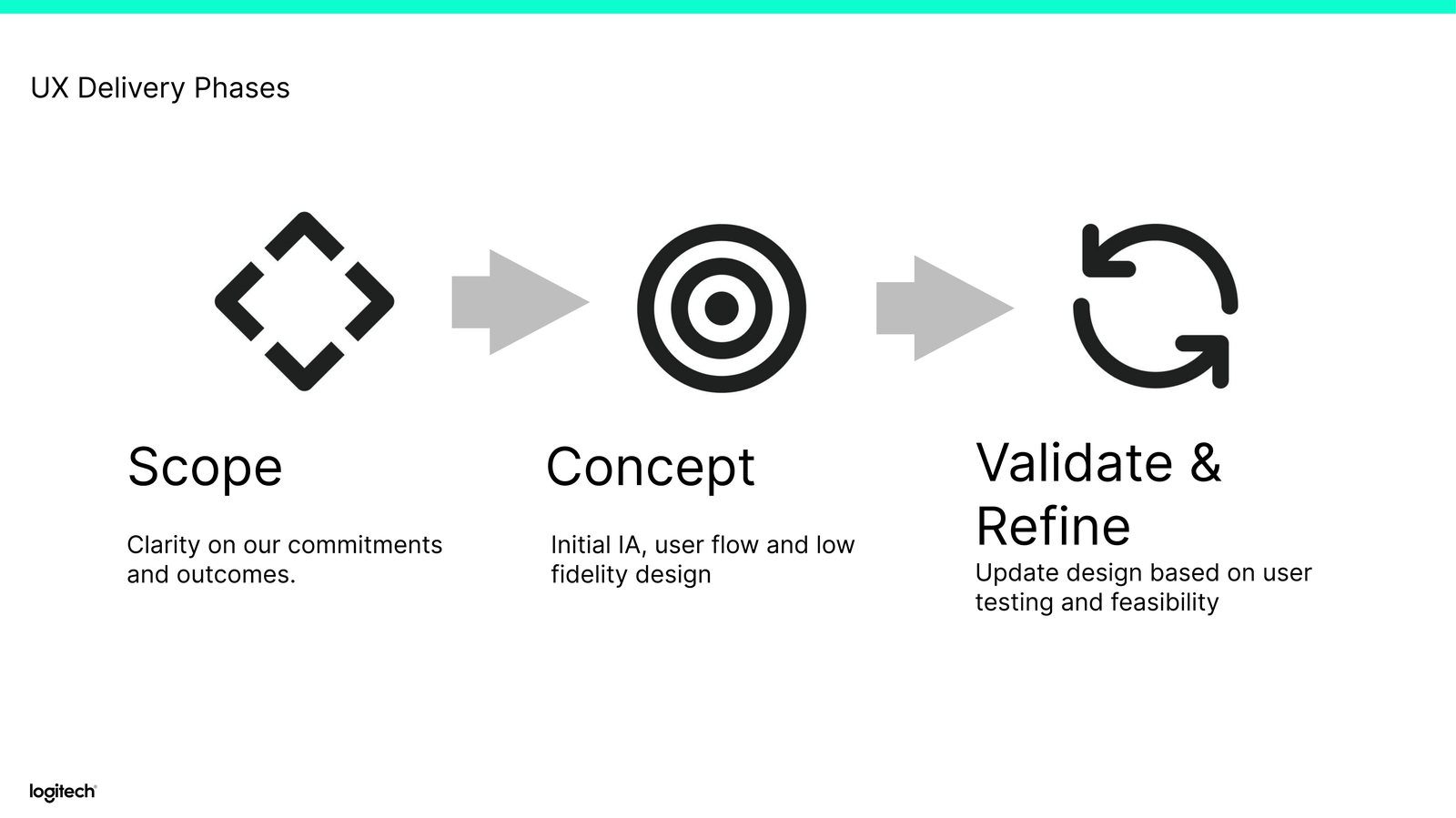
I introduced a four-phase UX delivery model, run inside the team's existing playbook structure, so Product, Design, and Engineering align at every stage rather than only at the hand-off.
Scope
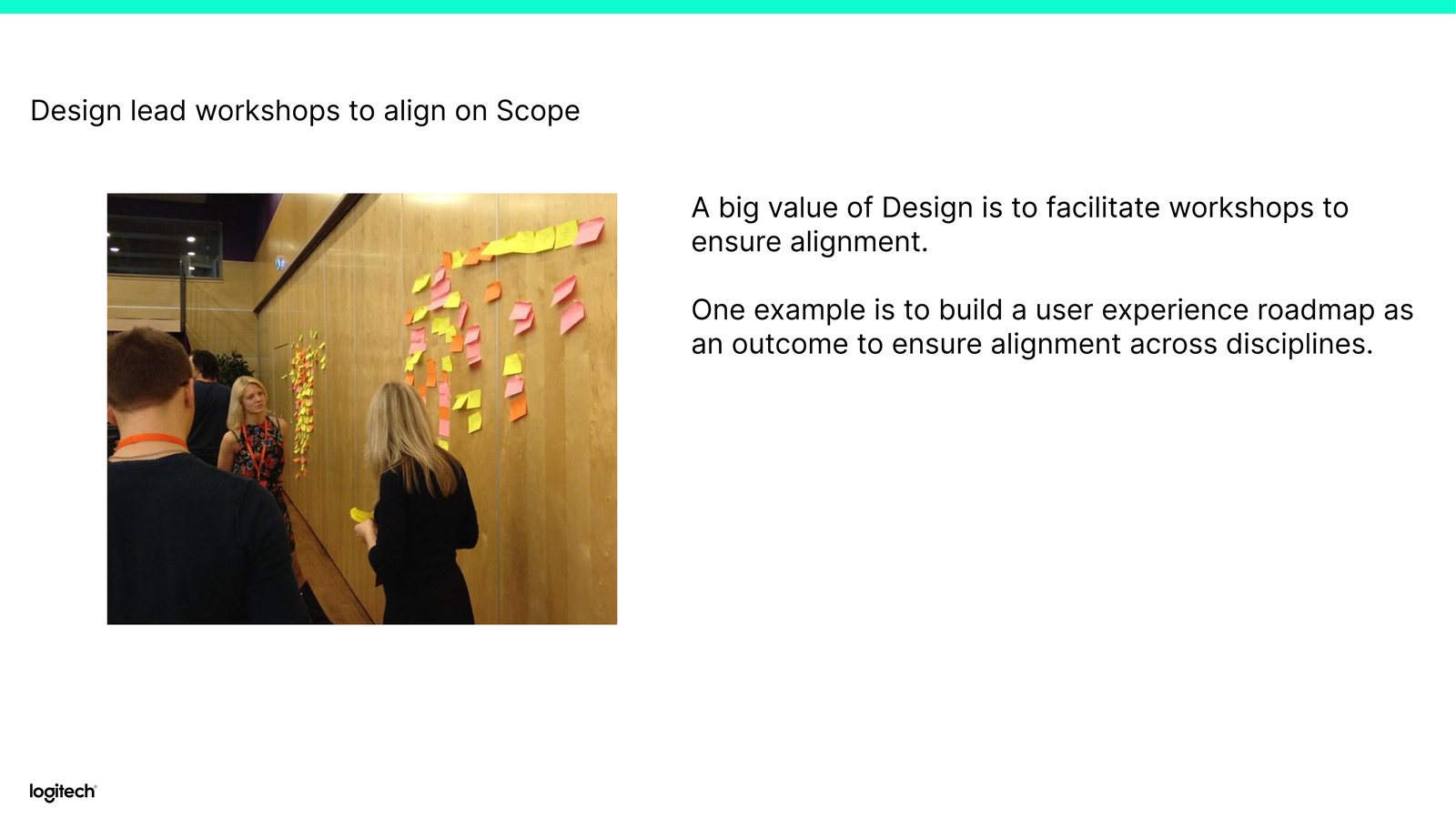
Clarity on commitments and outcomes. Design facilitates workshops to define user value, pain points, and a shared story before anything gets built.
Concept
Initial IA, user flow, and low-fidelity design — enough to tell a compelling story of the user journey and get meaningful feedback.
Validate & Refine
Update the design based on user testing and engineering feasibility — an iterative loop, not a single pass.
Production (UX QA)
Design stays involved through build — catching experience issues before launch and running coded build reviews.
Design is given problems to solve — not solutions to build.
The reframe I pushed with Product & EngineeringFeedback from Product
Does the design support the capabilities defined in Scope? Does it align with business value? Is it still within scope — too much, or too little?
Feedback from Engineering
Is it feasible given capability, resources, and timeframe? Could there be a simpler way to hit the same user capability? Does it meet technical requirements?
Feedback from Design
What user pain points are we actually solving? What's the user value compared to the business value? What's our feedback from users and the team?
Deep Dive · Croí Design System
One brand, told two different ways.
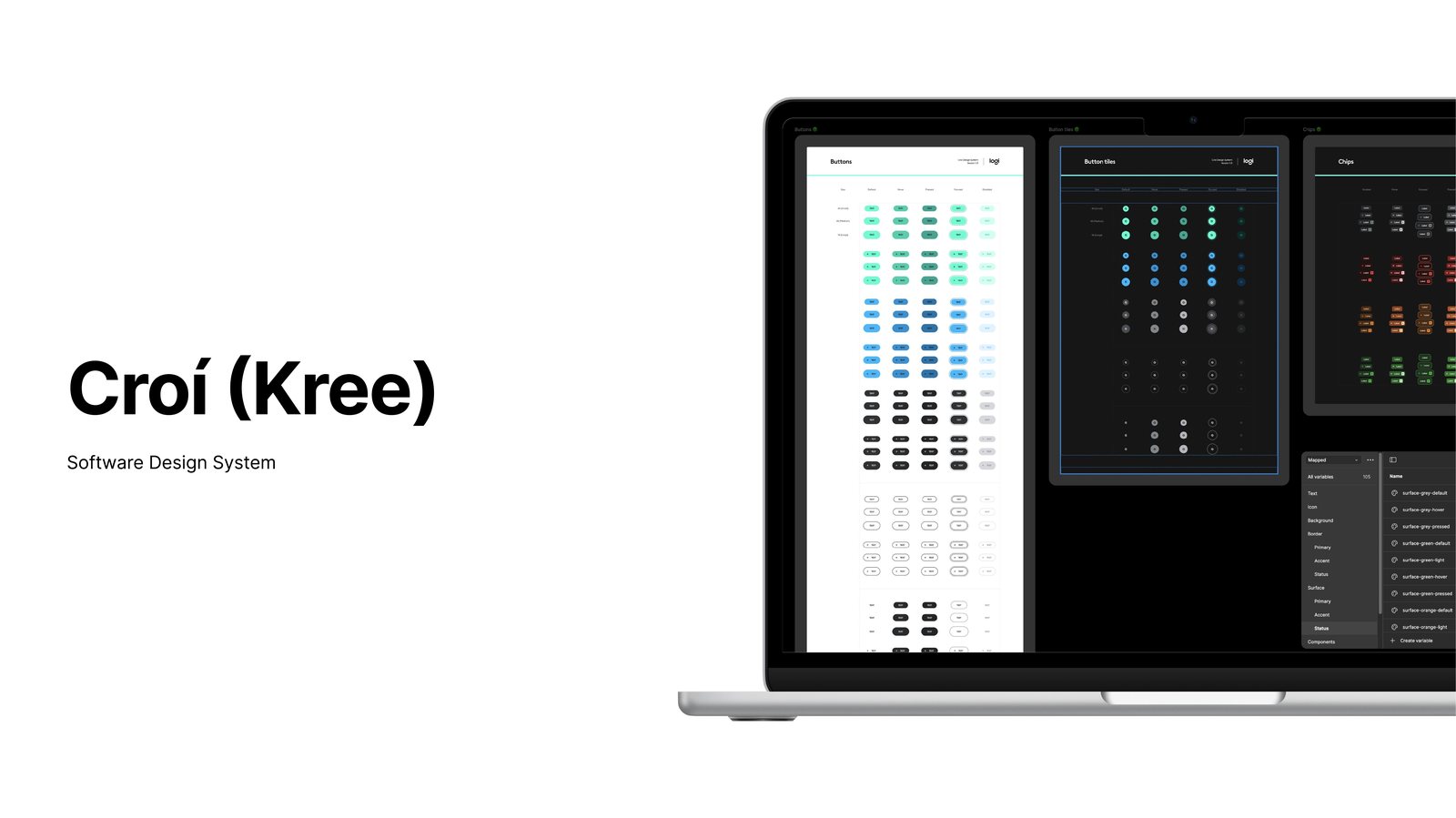
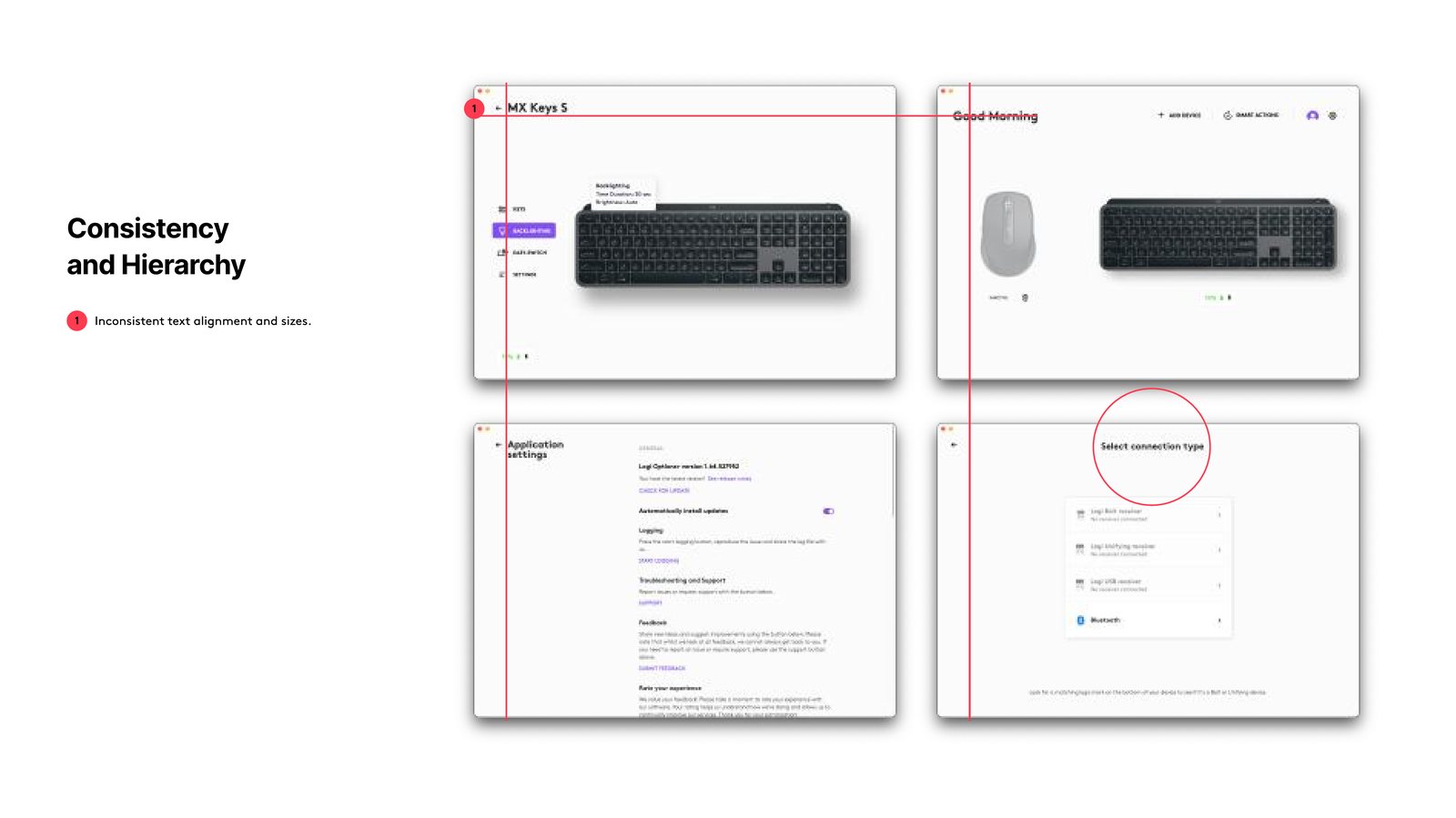
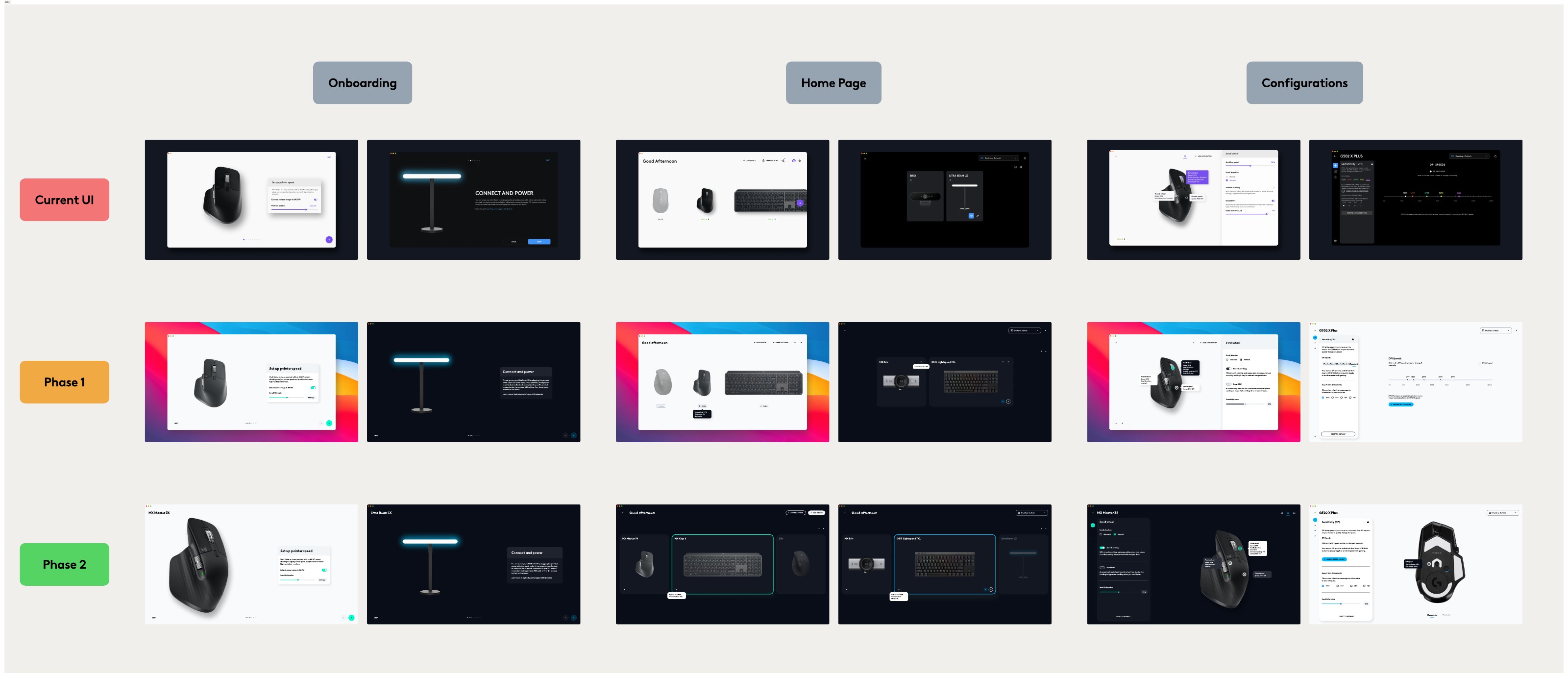
Options+ and G Hub had drifted into two different visual languages — mismatched contrast, inconsistent components, even a different tone of voice ("Get Started" vs. "Let's Party" for the same action). Croí unified both platforms into a single system of elements and patterns.
Onboarding
Give everyone access to the same knowledge — process documentation, resources, guidelines and learnings, so new teams get up to speed quickly.
Scalability
Enable cross-team and agency adoption in addition to scaling the website and digital experiences more quickly.
Time back
Decrease time spent on repeatable tasks, and reinvest those hours into better stories, research, and an iconic brand.
Collaboration
Shared tools for designing, reviewing, hand-off, authoring and testing across the whole organization.
Clear strategy
Share the tools and tests behind each decision, so strategy is visible — not tribal knowledge.
Best practices
Give every industry expert on the team a space to share what they know on Croí.
Return on Investment, by Role
| Role | Before Croí | After Croí |
|---|---|---|
| ✏️ Designer | Designs each project from a blank canvas, prone to inconsistency and error. | Higher-quality designs, faster via libraries/templates — more time for research & testing. |
| 🖥 Developer | Custom dev requests, duplicate functionality, unclear hand-off files. | Fewer dev requests; more focus on system improvement & accessibility. |
| 🔍 QA | Tests assumed use cases based on siloed knowledge. | Tests exact scenarios against approved templates & documented components. |
| 🚦 Project Manager | Constantly re-answers the same stakeholder questions. | An official reference document — shared language, faster answers. |
| 💼 Stakeholder | Lacks a shared language for process, capability, or strategy. | Understands the tools, capability and strategy — aligned goals. |
| 👻 External Team / Agency | Hard to onboard; too many clarifying meetings. | Less back-and-forth; designs match the system on first pass. |
Deep Dive · Team Structure
From three siloed teams to one system of ownership.
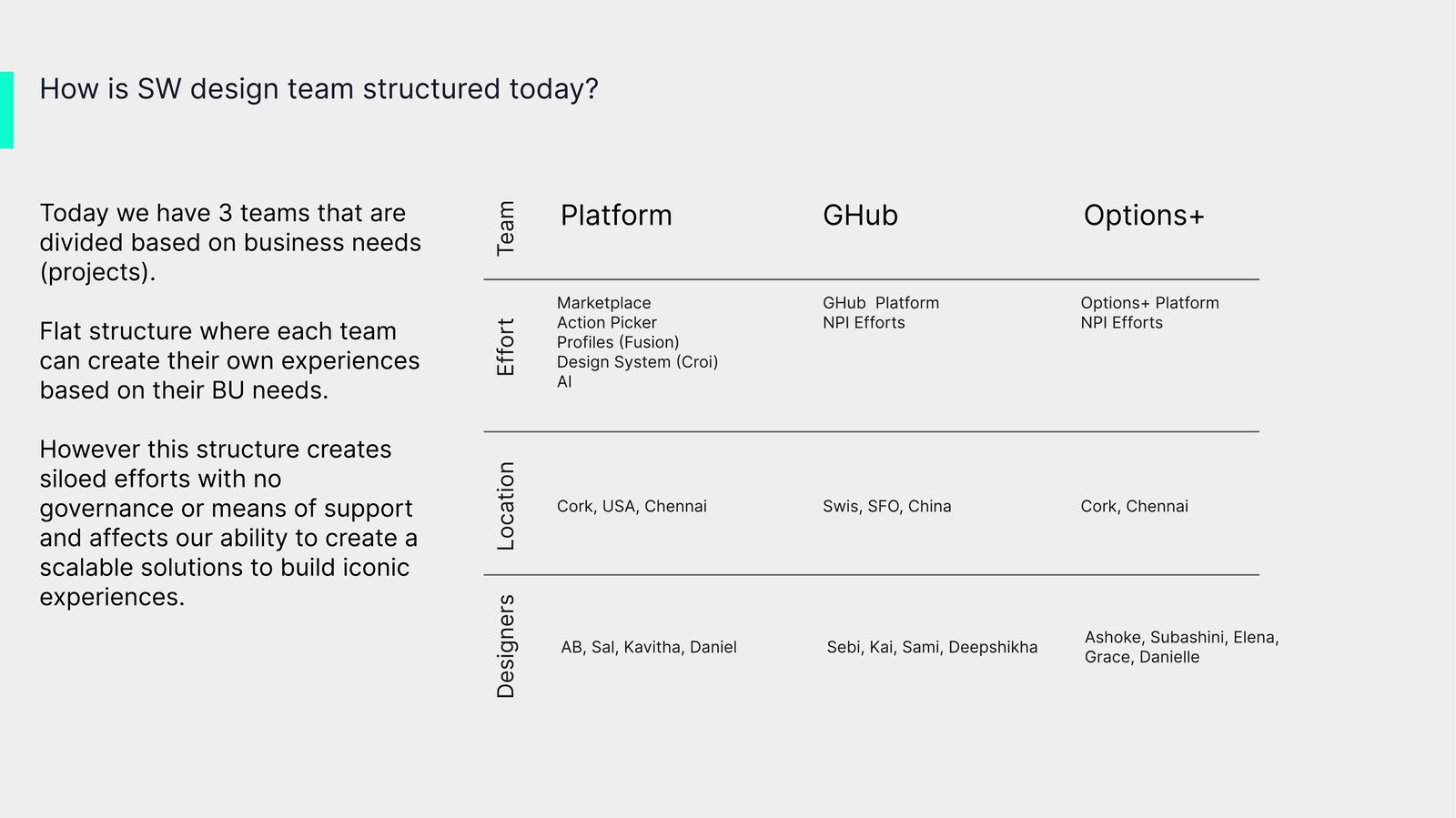
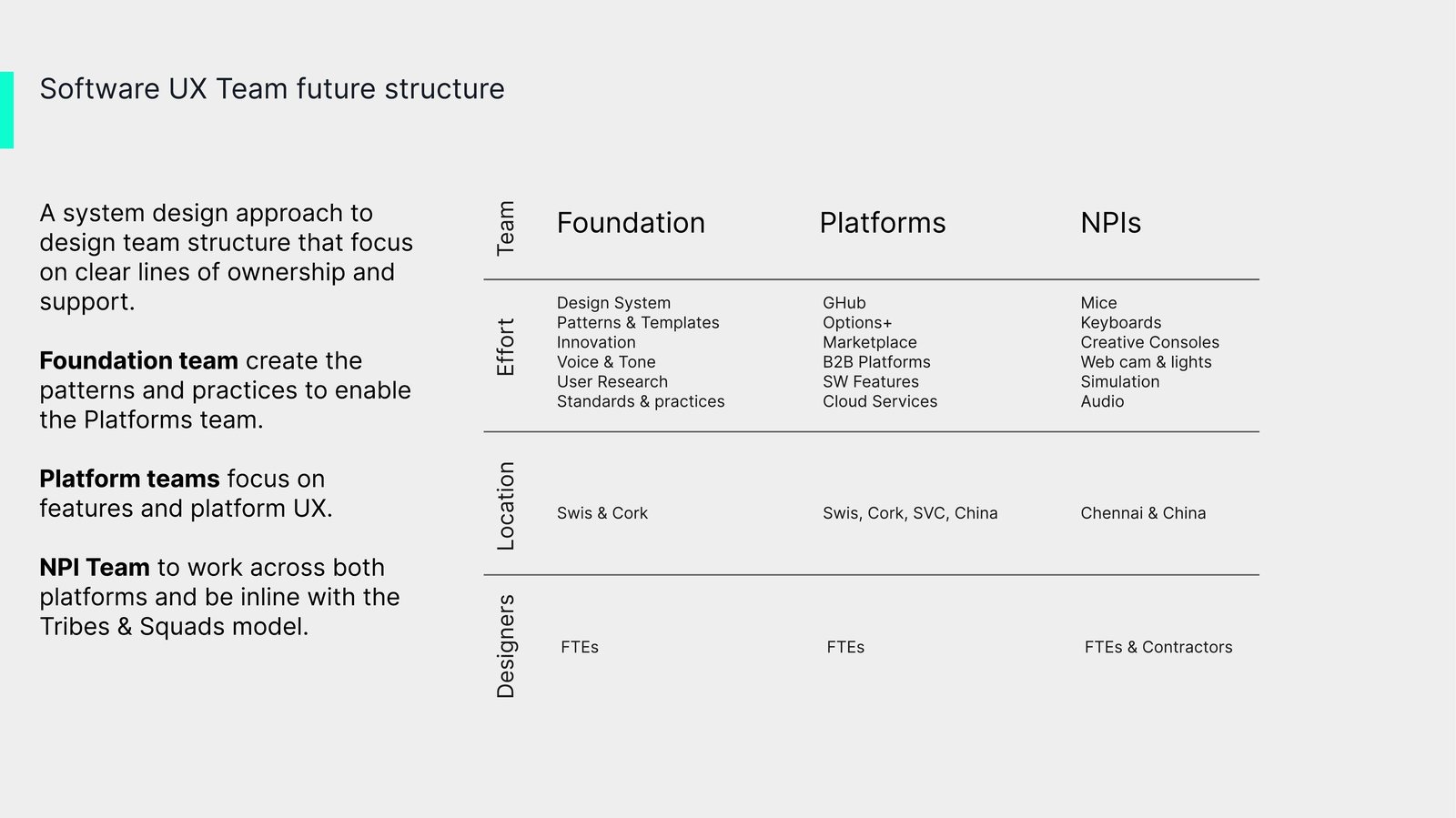
The old structure split designers across Platform, G Hub, and Options+ by business unit — a flat model where each team built its own experience with no shared governance. I proposed a system-design approach instead: clear lines of ownership, built to scale.
Patterns & practice
Owns the design system, patterns & templates, voice & tone, user research, and standards — enabling every platform team downstream.
Options+ & G Hub
Each platform team focuses on its own features and platform-specific UX, built on the Foundation team's shared system.
Cross-platform launches
Works across both platforms on new product introductions, aligned to a Tribes & Squads model.
Example in Action
Foundation creates a common action-picker system for use across both platforms → Platforms interpret and implement that pattern for their own product → NPI teams apply it to a device-specific launch.
Outcomes
What changed, mapped back to the three-step approach.
Value of Design
- Standardized a cross-platform design system across consumer & gaming software — ~35% reduction in duplication, equivalent to reclaiming several designer-weeks of capacity per quarter across the 15-person team.
- Elevated UX from a production function to a strategic product driver, aligned with the mandate to build an iconic brand.
Ways of Working
- Led the agile transformation from waterfall to iterative delivery — ~25% faster feature delivery, shaving multiple weeks off average release cycles across both platforms.
- Embedded UX earlier in the development lifecycle, shifting design from reactive to a strategic driver of product decisions.
Team Structure
- Reorganized UX around shared platform experiences, increasing cross-team alignment for faster cross-product delivery.
- Mentored senior design managers and introduced succession planning — stronger leadership depth, better retention.
“Alex brought a great sense of clarity and focus to the UX team when he joined. He came in with fresh eyes and was quickly able to support, guide and grow the team and ultimately the product experiences for our consumer software platform Options+.”
Chris Maslin — UX Design Manager, Logitech Options+